SPECIALIST BRICK & MASONRY PAINT REMOVAL
Paint Removal from Brick & Masonry Without Damaging the Surface Beneath
Professional removal of masonry paint and exterior coatings from brick, stone and period masonry using methods selected for the coating, the surface and its condition.
☎ Or call 0333 8800 519 to discuss the work directly.
💬 Prefer WhatsApp? Send photos here →
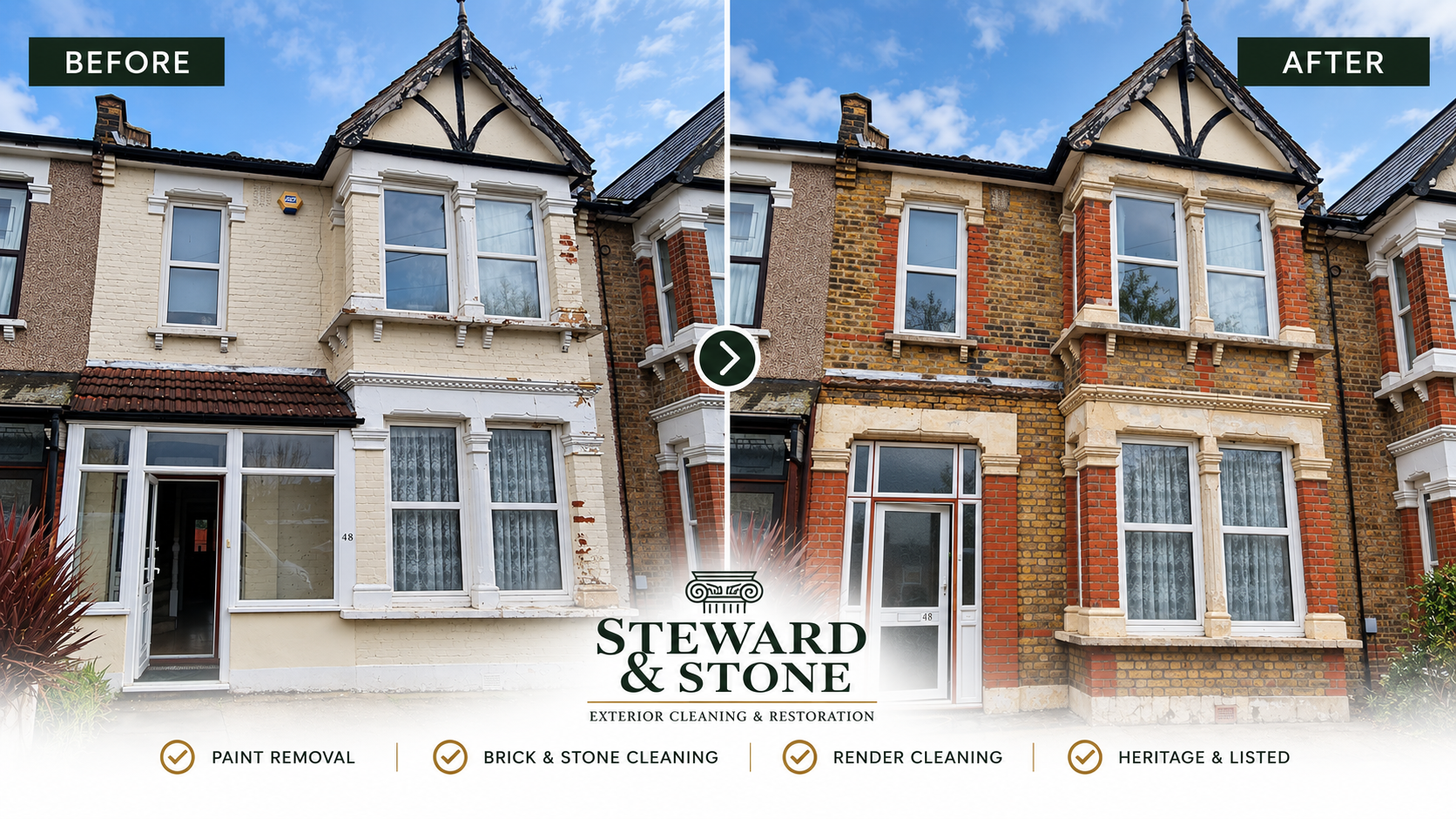

Real Paint Removal Results
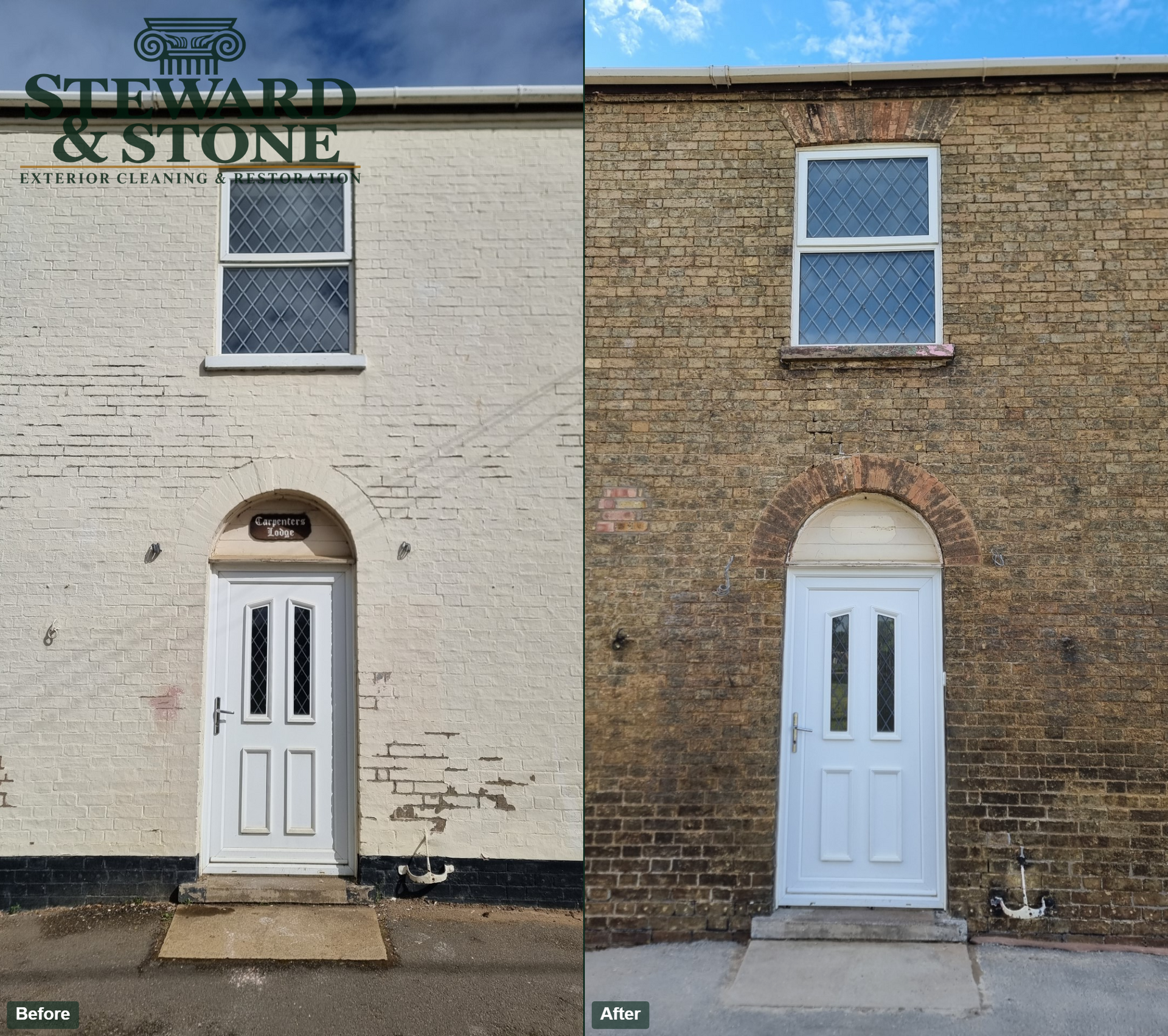
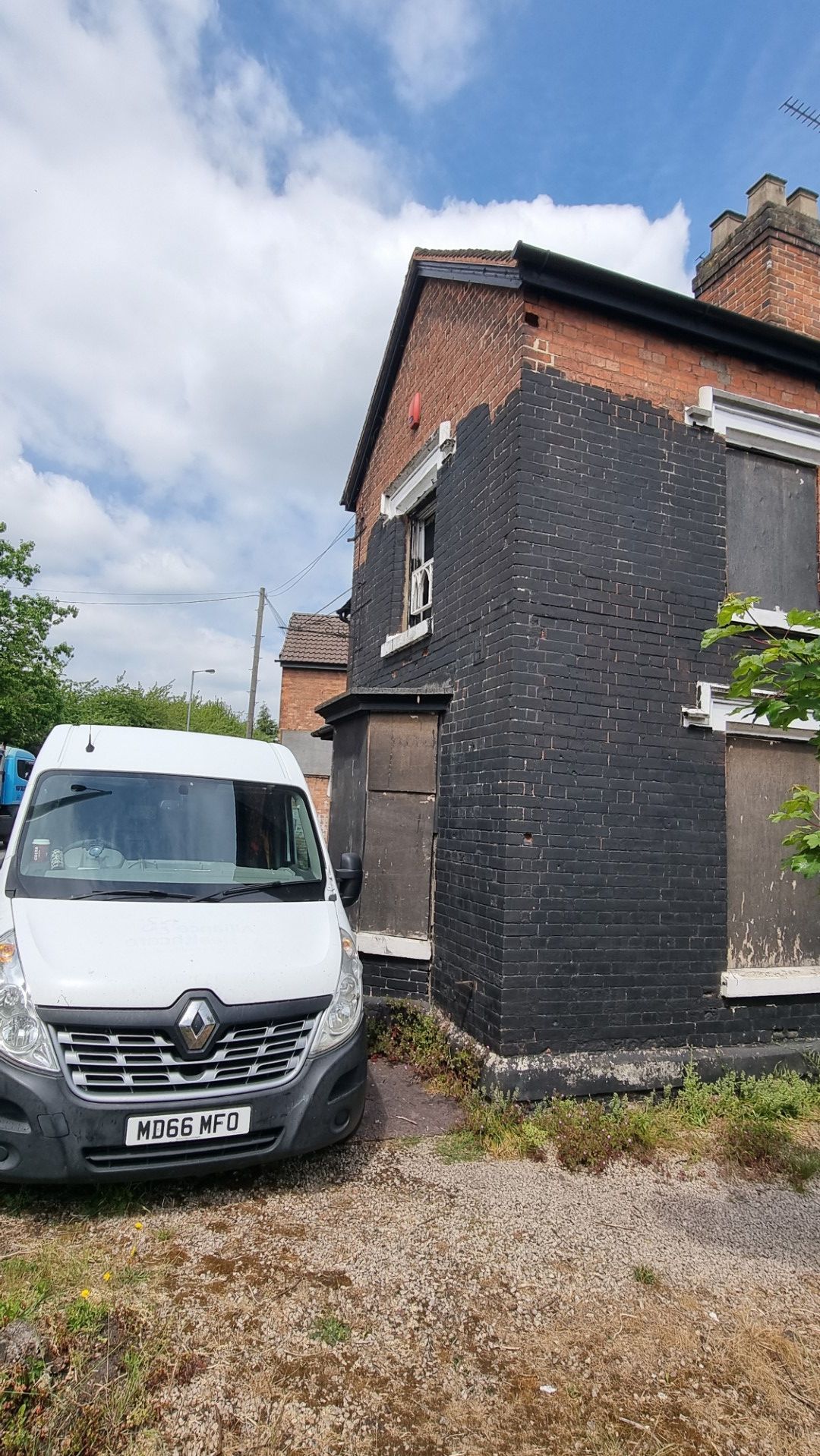
Pub Façade Paint Removal
Multiple exterior paint coatings removed from this pub façade, exposing the original brickwork and bringing the building's traditional masonry character back into view.
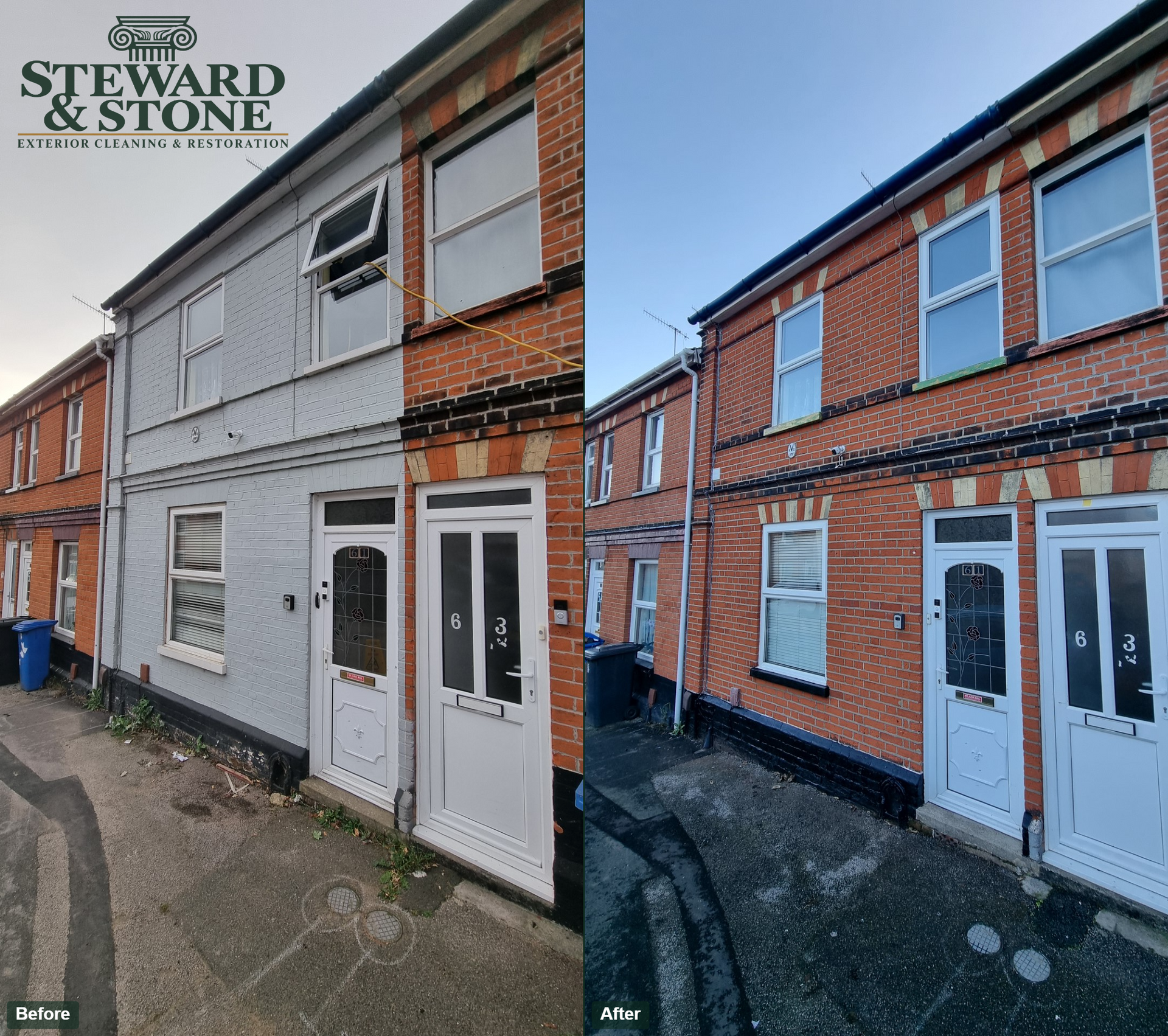
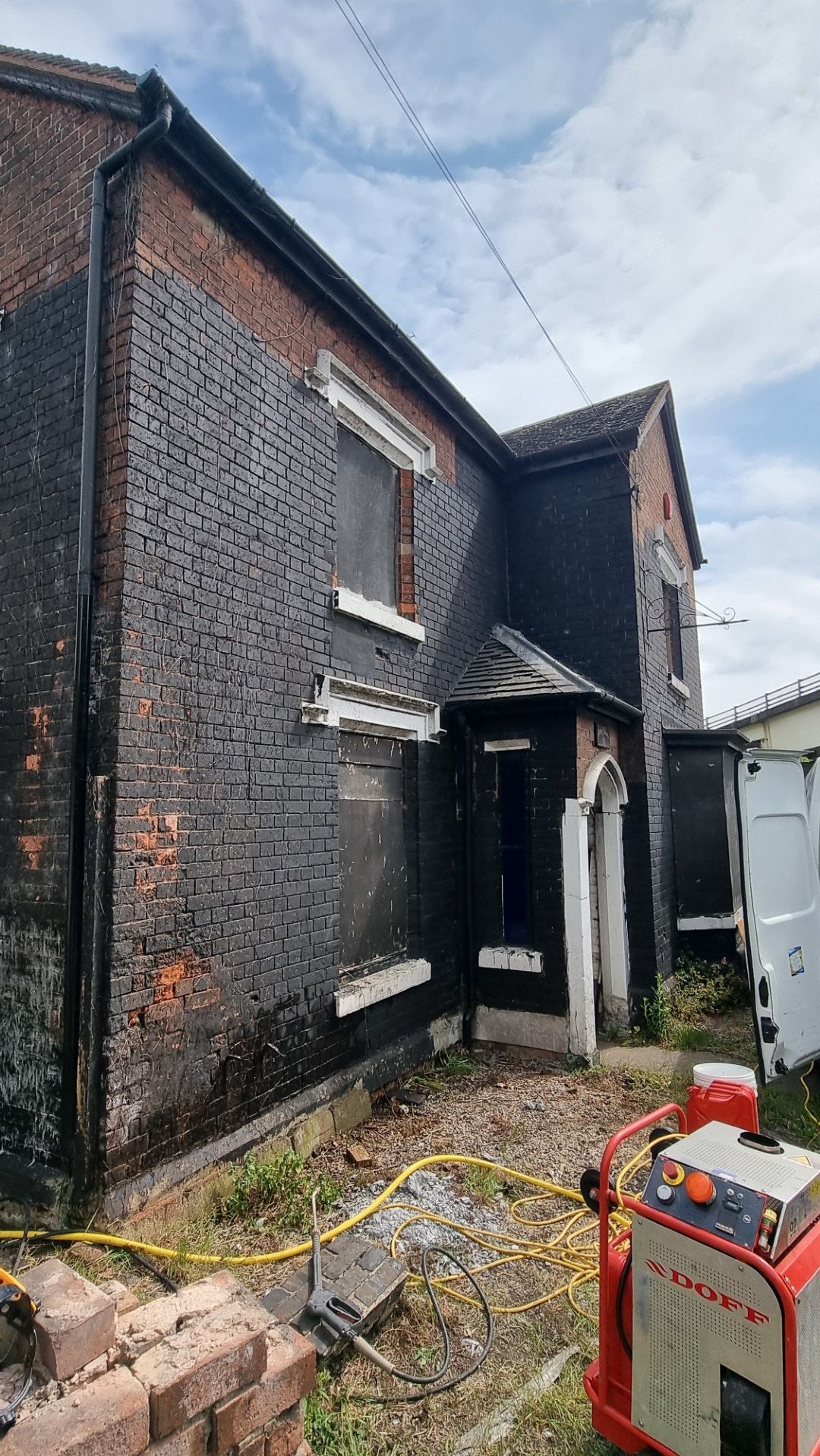
Six-Stage Brick Paint Removal
One of the most difficult coatings we have encountered. Exceptionally thick, heavily bonded masonry paint required six complete treatment and removal cycles across the elevation before the original brickwork could be properly exposed.
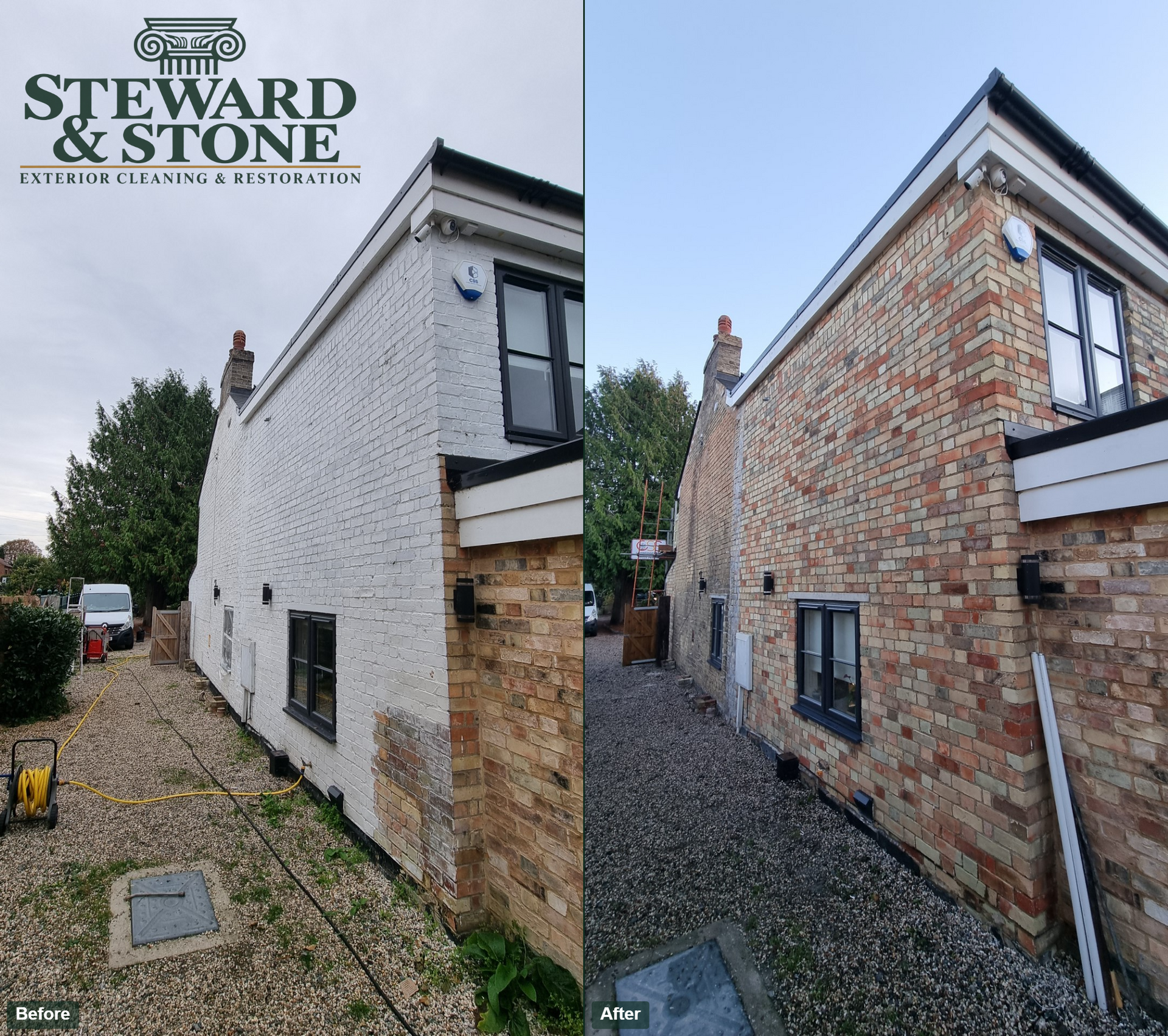
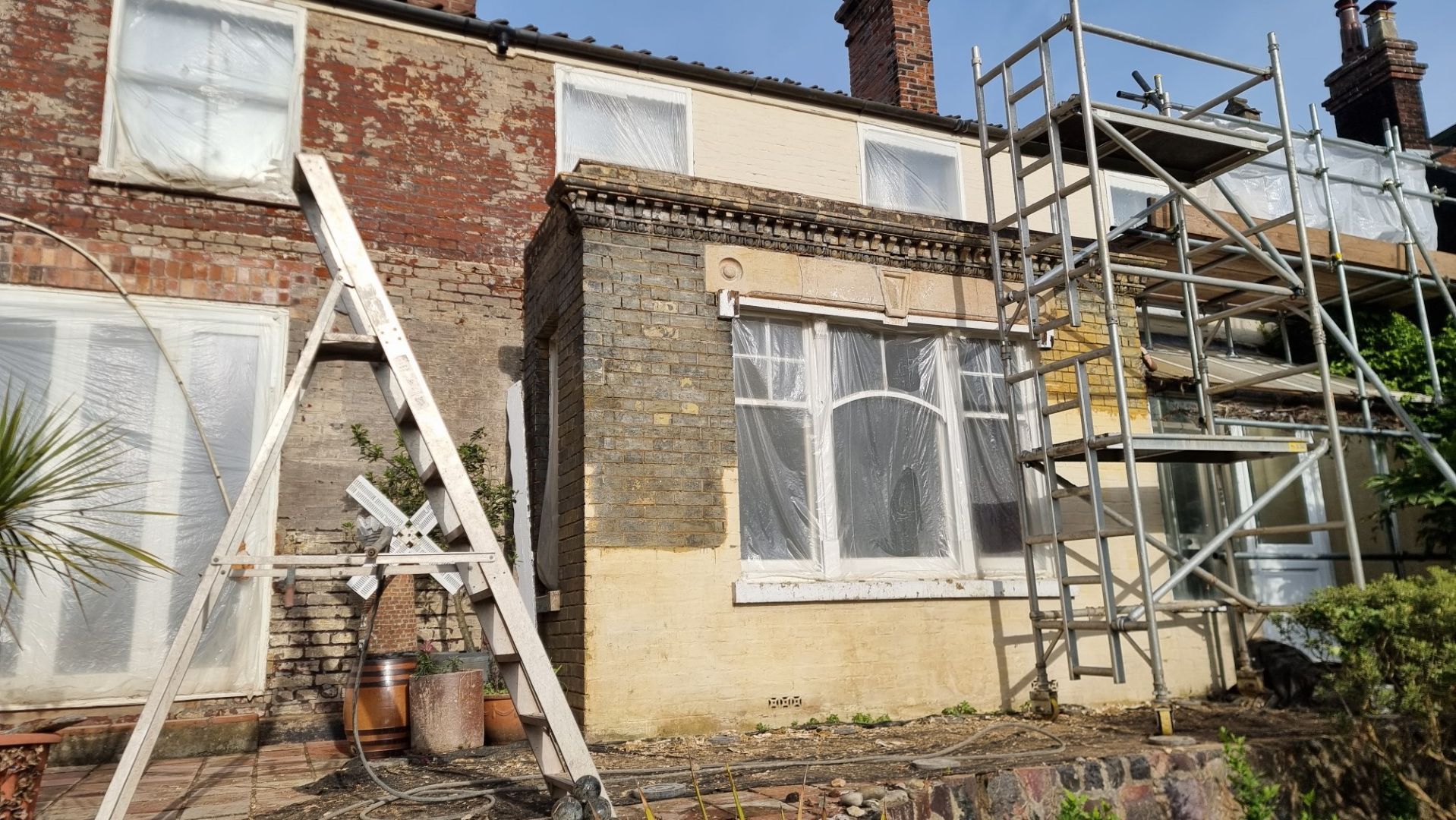
Mid-1800s Cambridge Brickwork
Paint carefully removed from this mid-1800s Cambridge property, revealing the original period brickwork while preserving the aged character and surface of the masonry beneath.
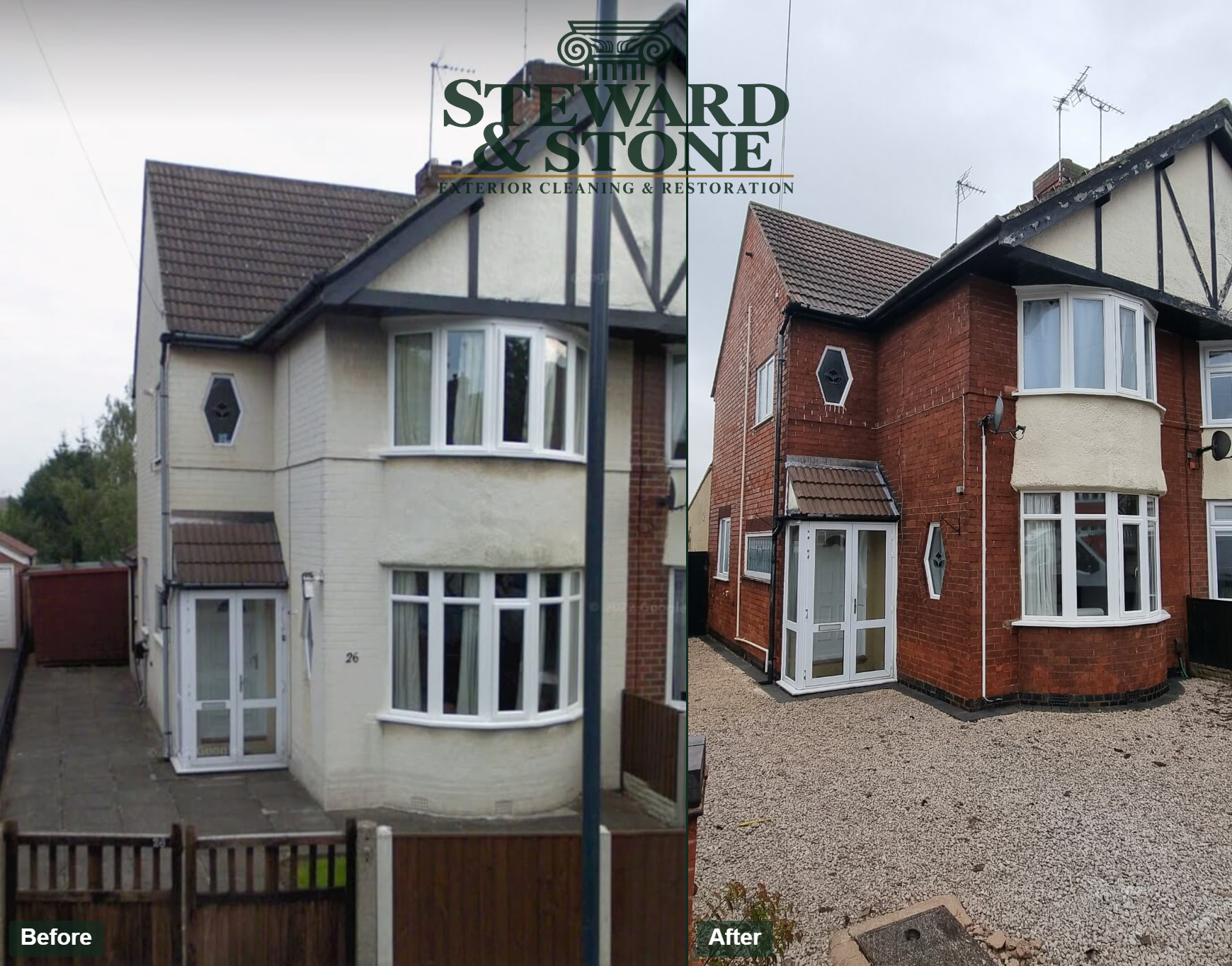
Sand-Textured Paint Removal – Derby
An unusually resistant sand-textured coating prevented conventional paint remover from reaching the layers beneath. After testing different approaches, we developed a staged method to open the outer coating before treating and removing the underlying paint.
Professional Brick & Masonry Paint Removal
Paint removal is not simply a matter of applying stripper and washing it off.
Brick and masonry coatings behave very differently depending on their age, thickness, formulation and how strongly they have bonded to the surface underneath.
One property may have a relatively thin coating that releases cleanly. Another may have several generations of masonry paint, flexible coatings or heavily textured material that has worked deep into porous brickwork.
The masonry itself also matters.
Older brick can have a relatively delicate fired face. Mortar joints may already be weak. Stone can vary considerably in density and porosity. Previous repairs or damaged areas may be completely hidden beneath the paint.
That is why every paint-removal project starts with an assessment of the coating, substrate and condition of the surface beneath it.
Depending on what we find, removal may involve DOFF superheated steam cleaning, professional paint and coating removers, controlled mechanical work, careful scraping and detailed manual removal.
And difficult coatings often need more than one treatment.
Some of the properties we have worked on have required repeated softening, removal and re-treatment before the original masonry could be exposed satisfactorily.
The objective is not to remove the paint as aggressively or quickly as possible. It is to remove the coating while preserving the brick, stone and mortar underneath.
📷 Not sure what has been used on your property? Send us photographs and your postcode. We can usually advise on the likely next step and whether a test area would be useful.

Get a Free Quote
Send us a few details and photographs and we’ll get back to you promptly.
Contact Us
💬 Prefer WhatsApp? Send photos here →
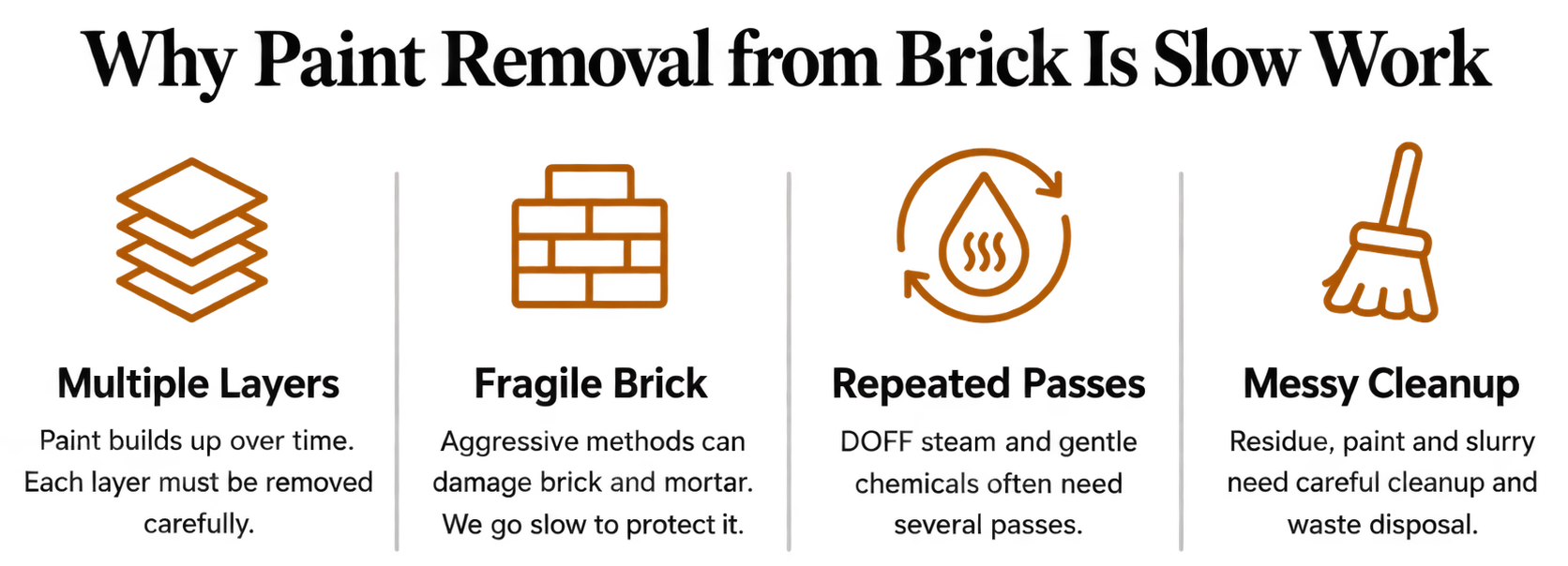
THE CHALLENGE
Why Paint Removal from Brick Can Be Difficult
Paint removal becomes more difficult once a coating has bonded into the texture and pores of masonry.
Multiple coats can also behave differently from one another. A modern flexible exterior paint may sit above older coatings with completely different chemistry, meaning the first treatment that removes one layer may barely affect the next.
Textured coatings create another problem because the outer surface can prevent paint removers from reaching the underlying material effectively.
That is why test areas and method selection matter.
Instead of assuming one product or one machine will remove everything, we establish how the coating responds and adapt the process where necessary.
On some jobs that means steam alone. On others it means softening the paint first. Particularly resistant work can require repeated treatments or a combination of controlled methods.
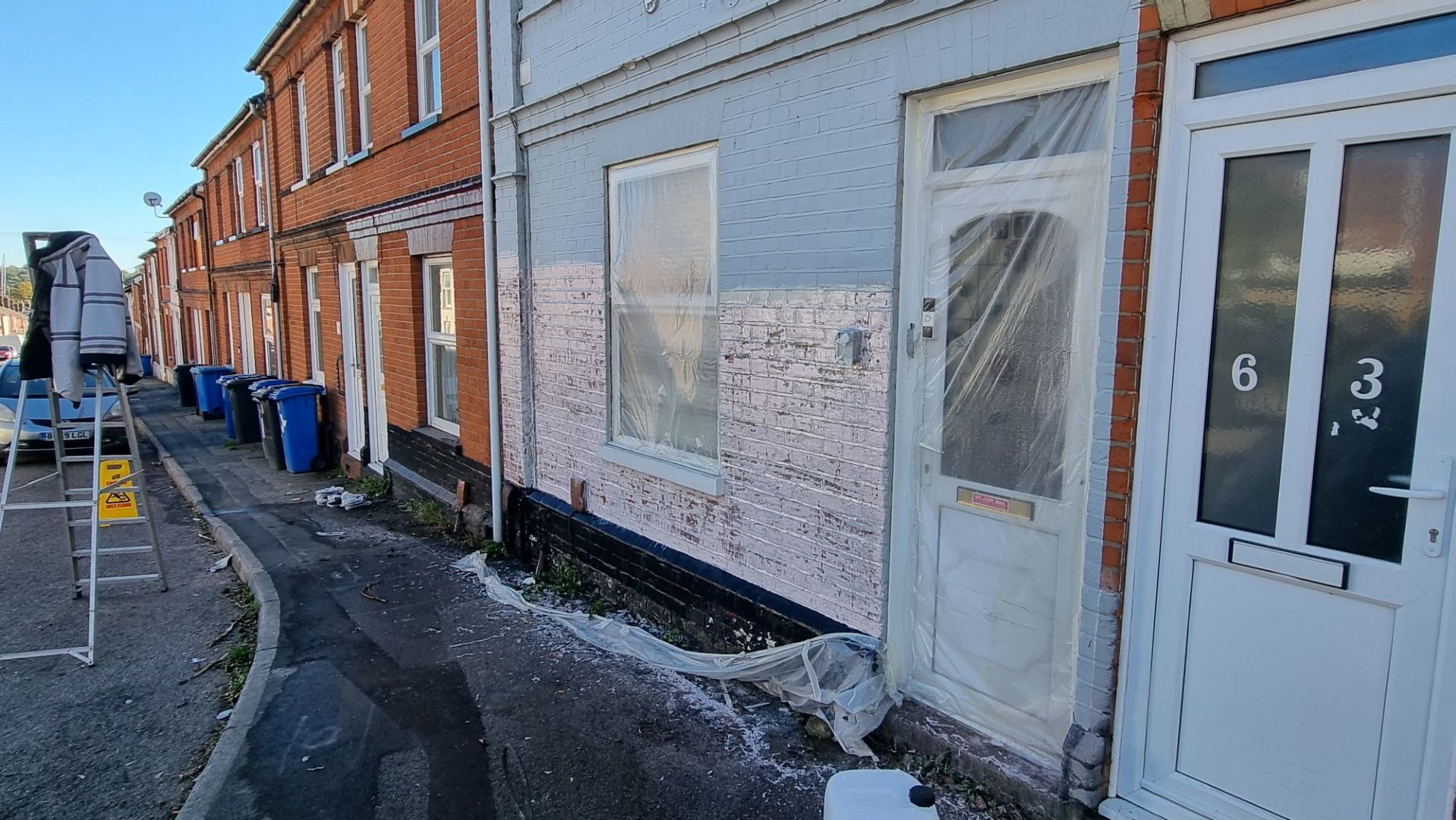
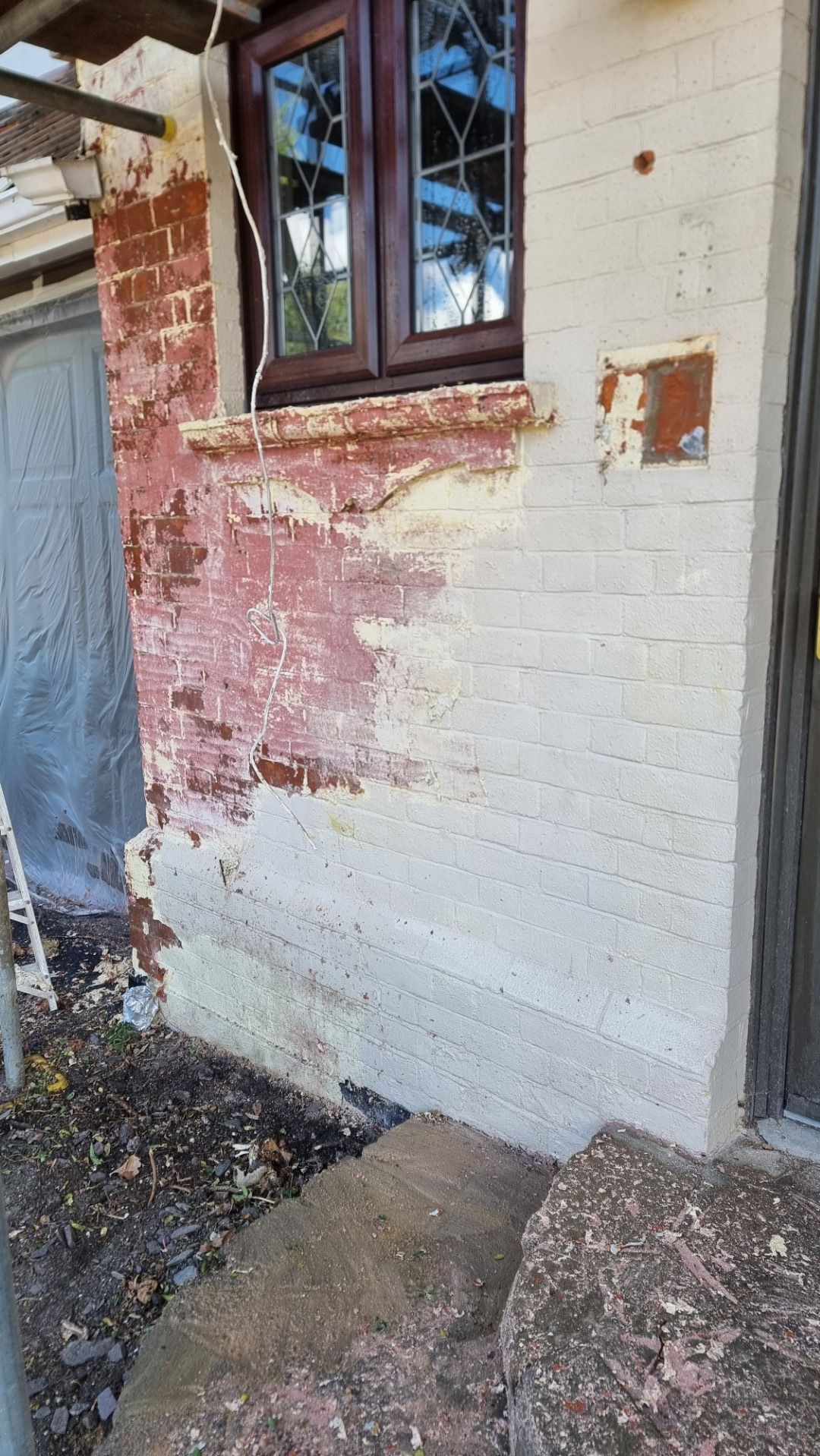
Multiple Coats
Several generations of paint can be present, with each layer responding differently during removal.
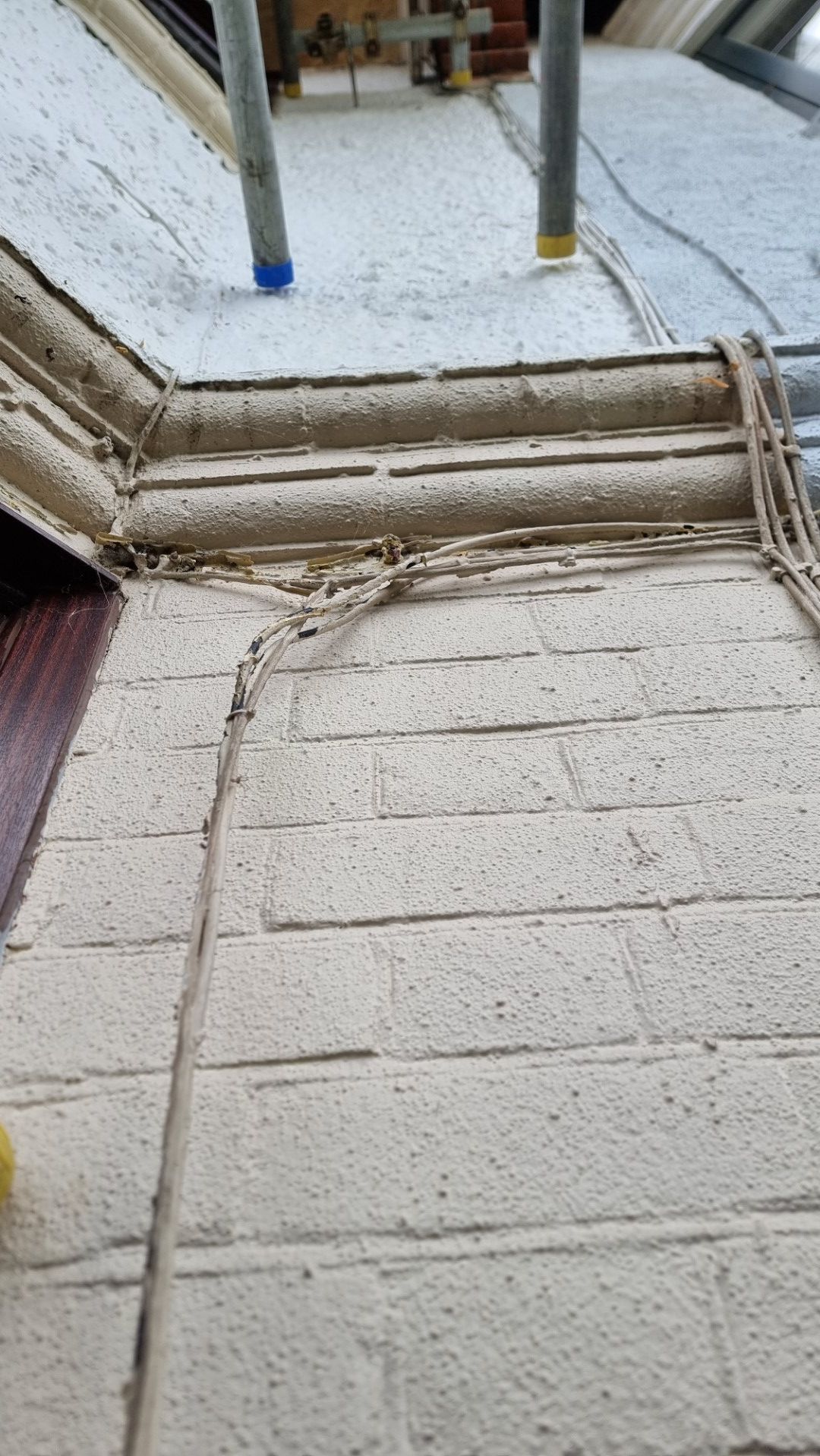
Textured Coatings
Heavy or textured finishes can prevent paint removers from reaching the underlying coating effectively.
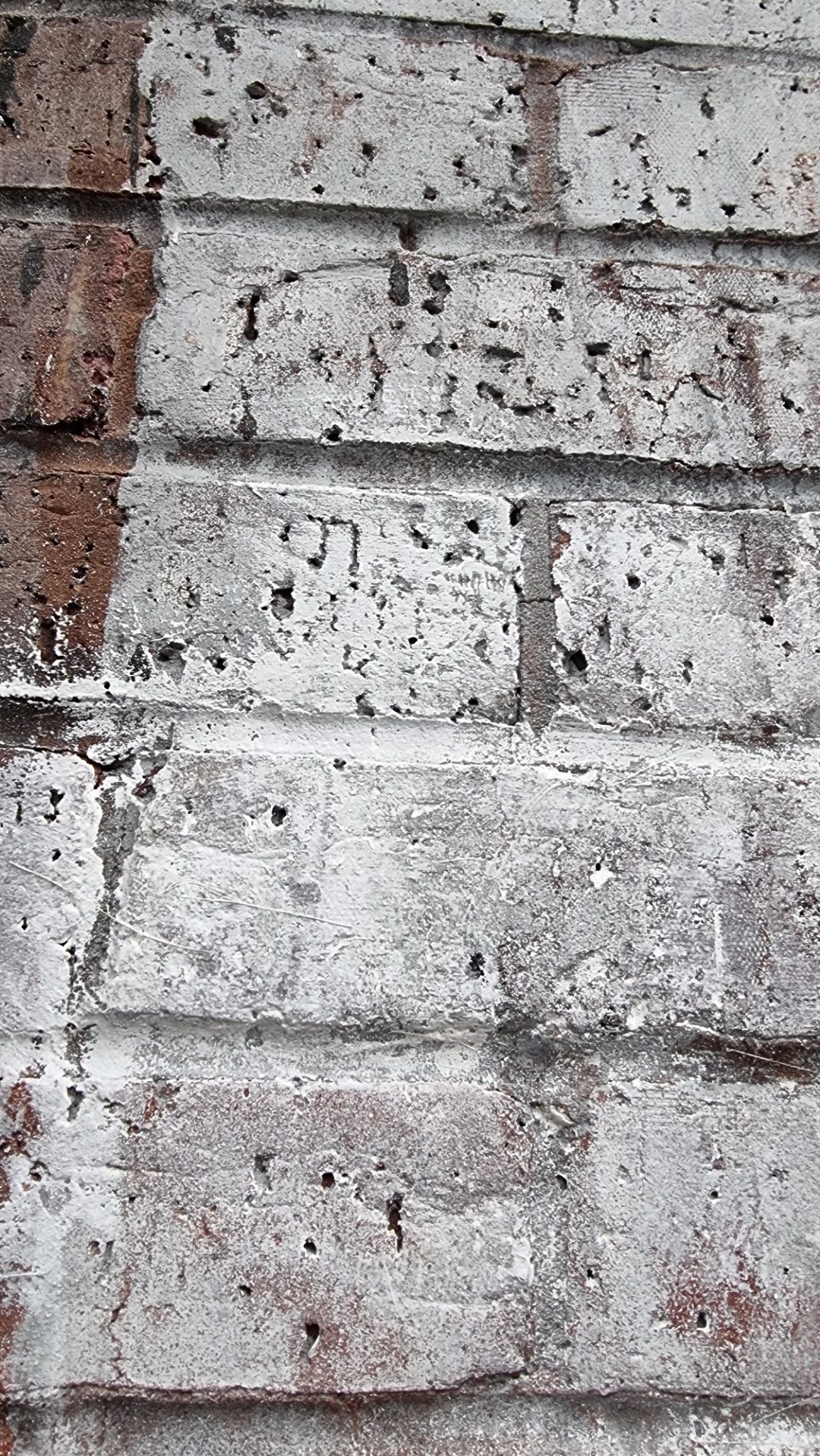
Paint Bonded into the Brick
In some cases the coating becomes so deeply bonded into the brick face that, even after repeated treatments, stubborn residue remains locked into the surface.
PAINT REMOVAL FROM BRICK, STONE & RENDER
Paint behaves differently on different masonry.
Brick can be soft and highly porous. Natural stone varies enormously in mineralogy and condition. Render can be thin, weathered or poorly bonded to the substrate underneath.
The coating itself matters too. Modern masonry paints, older oil-based coatings, elastomeric finishes and multiple generations of repainting can all behave differently during removal.
Before starting, we assess both the coating and the surface beneath it so the removal method can be matched to the property.
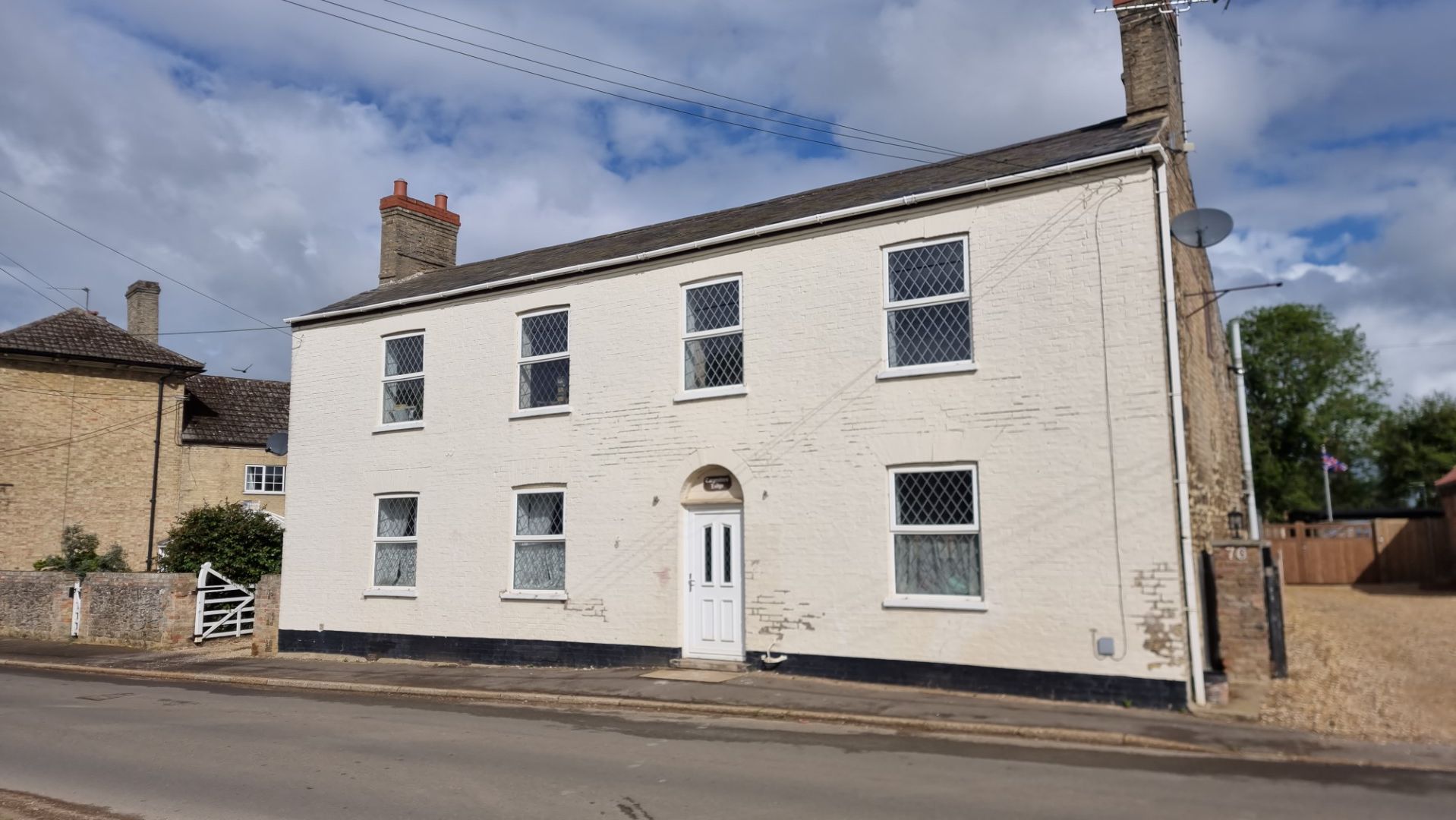
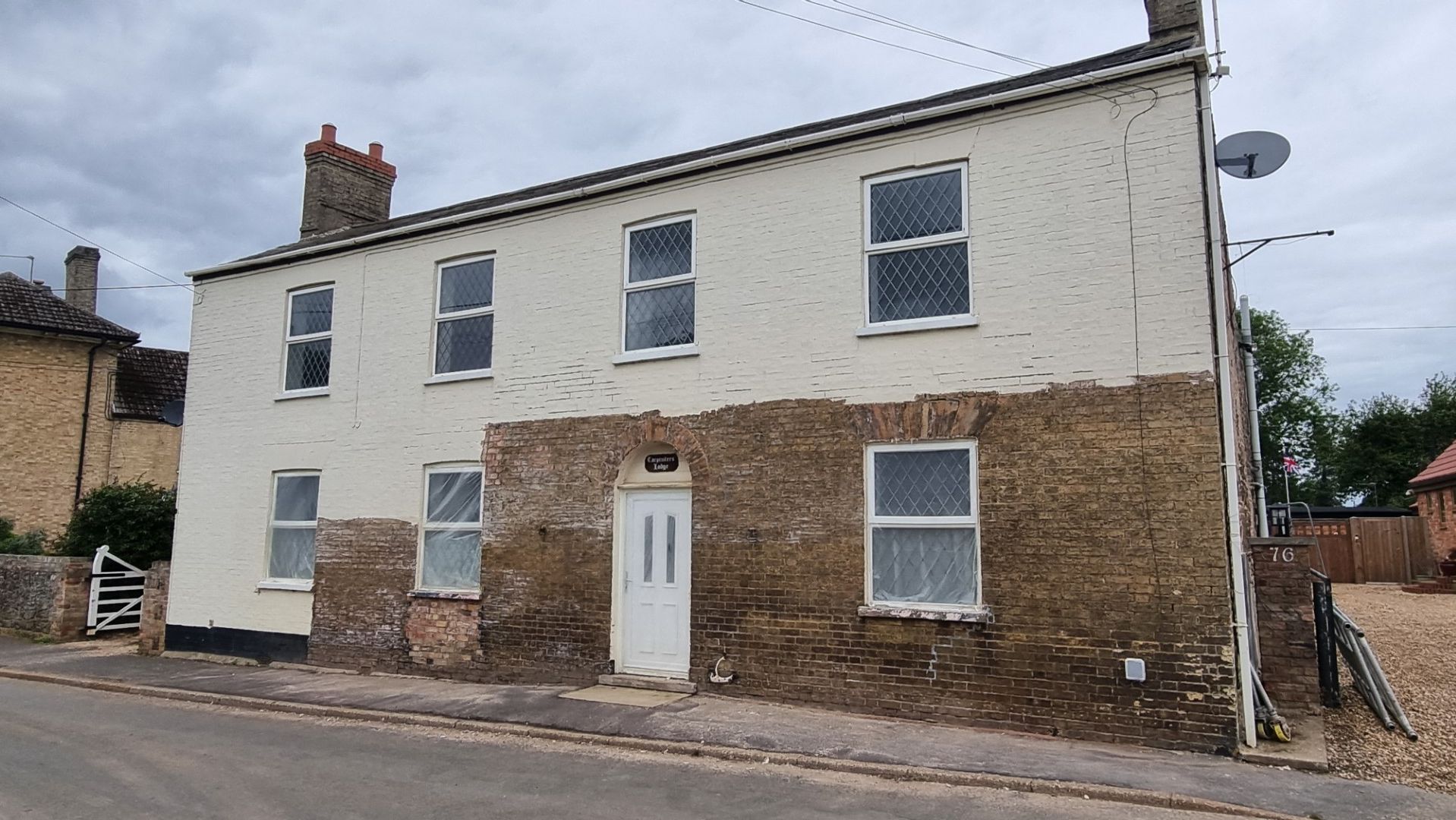
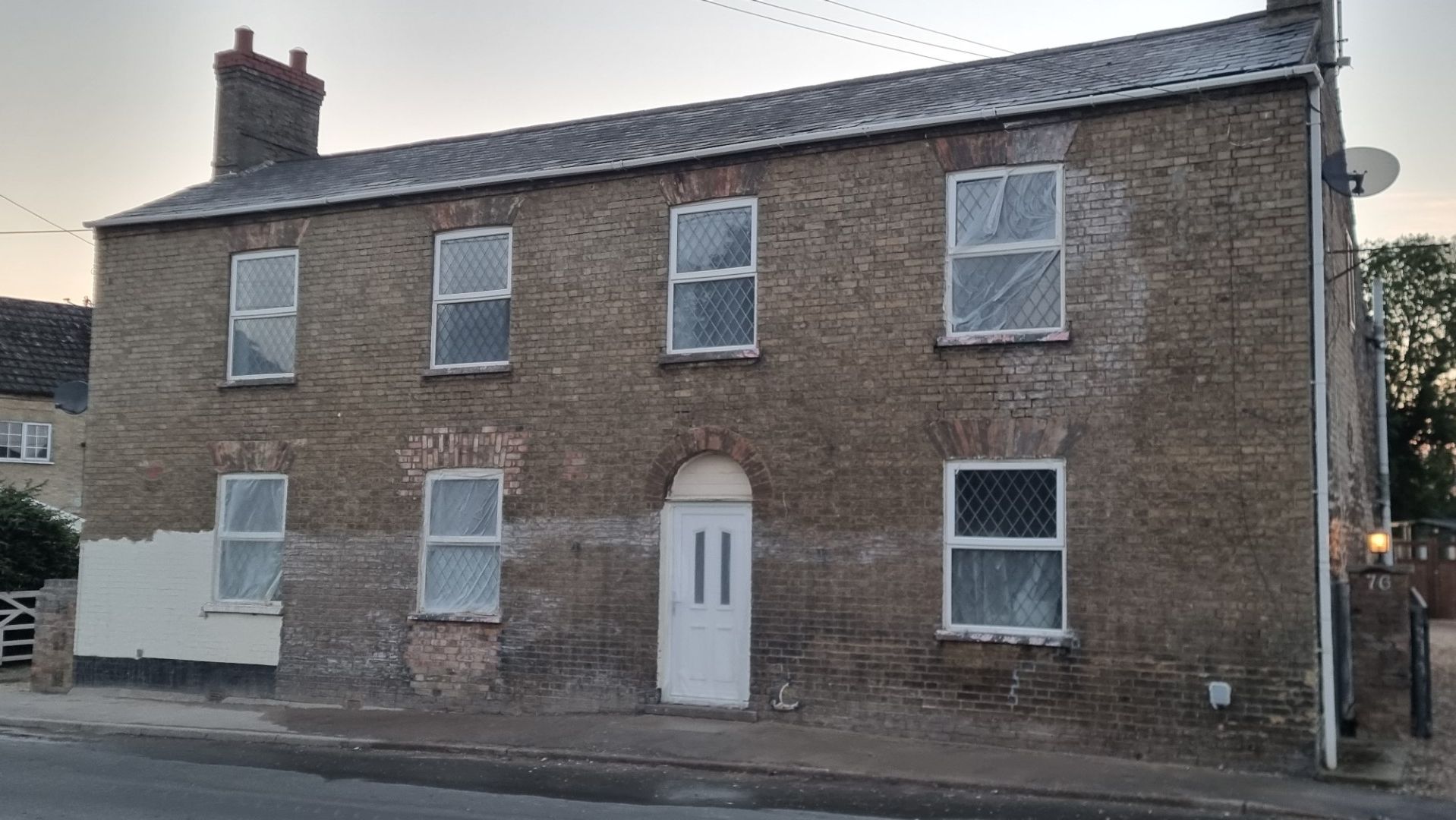
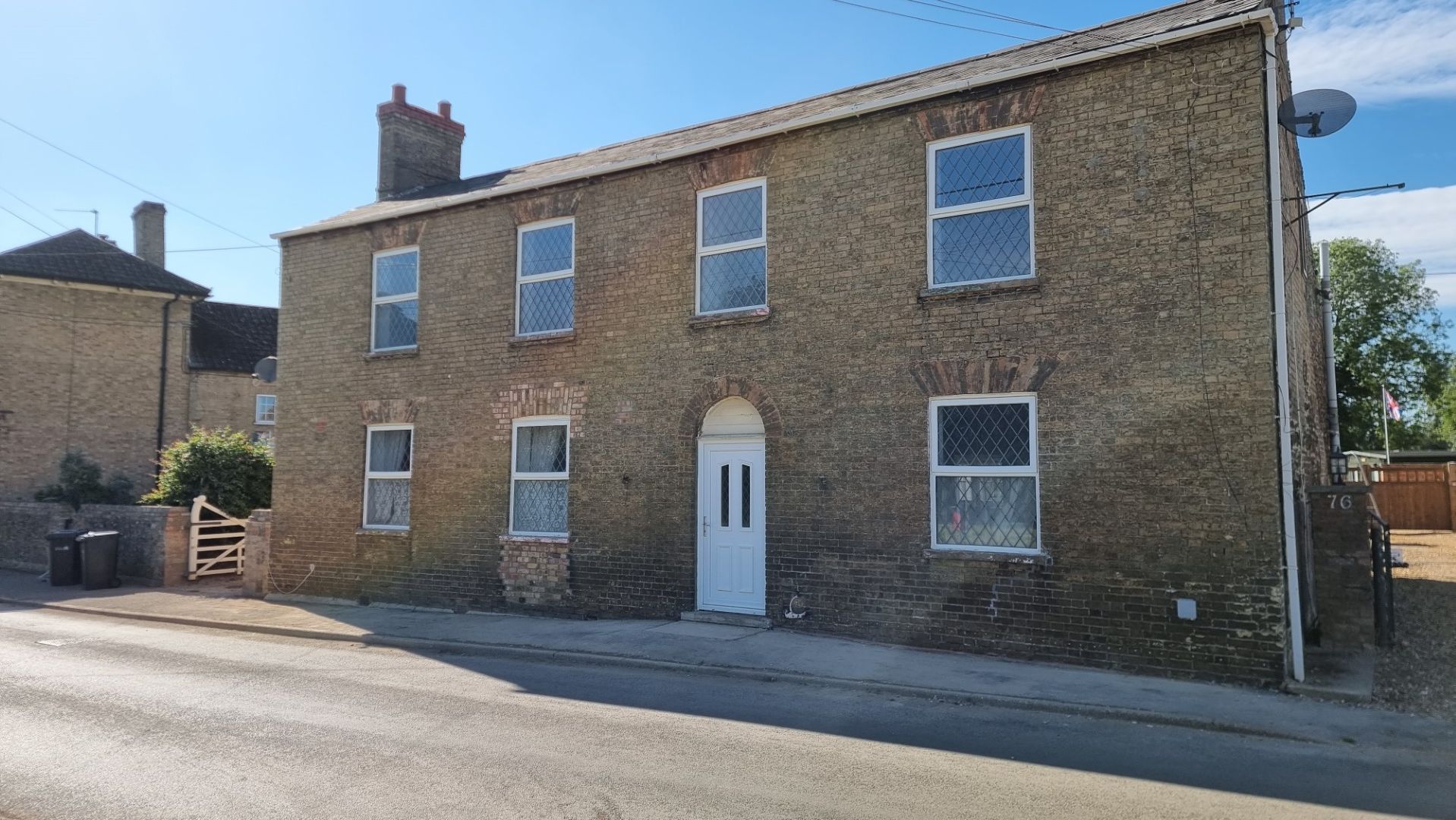
Old Paint Can Hide Fragile Masonry
Removing the coating reveals the masonry that is actually there — not necessarily the masonry someone hopes is there.
Paint can conceal damaged brick faces, deteriorated or mismatched mortar, previous repairs, staining, filled holes, cracks and areas of masonry that have deteriorated behind the coating.
A test area can give a useful indication, but the full condition of an elevation cannot always be assessed through several layers of opaque paint.
Where obvious defects become visible during removal, we will point them out.
Repointing and masonry repairs are not part of our paint-removal service and may need to be carried out separately by an appropriate contractor once the masonry has been exposed.
The Coating and the Surface Both Matter
There is no single paint-removal method suitable for every building.
A coating that releases readily from hard modern brick may behave completely differently on soft historic brick, sandstone, limestone or render.
We use test areas to understand how the coating responds before selecting the most appropriate combination of steam, specialist removers and manual work.
Fast and Free, No Obligation Quote
Don't hesitate to reach out to us.
💬 Prefer WhatsApp? Send photos here →
HERITAGE & LISTED BUILDING PAINT REMOVAL
Paint Removal from Historic Brick & Masonry
Paint removal from historic masonry requires considerably more care than ordinary exterior cleaning.
Older bricks and natural stone can be porous, weathered or relatively soft, and historic mortar may already have weakened with age.
Coatings can also conceal earlier repairs, fragile surfaces or different phases of masonry construction.
For that reason, we work from the least aggressive effective method upward, with a test area used where appropriate before wider removal begins.
Suitable coatings may respond directly to controlled DOFF steam cleaning. More heavily bonded or multi-layered paints can first require a professional coating remover or paint softener, reducing the amount of mechanical force needed during removal.
The process can then be repeated where necessary until the required level of removal has been achieved without unnecessarily overworking the masonry.
This staged soften-then-clean approach is consistent with Stonehealth's current guidance for historic masonry paint removal.
Historic England likewise warns that modern coatings on old masonry can be difficult to remove without causing damage and that inappropriate treatments can affect moisture movement through traditional walls.
Listed buildings and other conservation-sensitive properties may require consent or an agreed methodology before paint is removed.
We can assess the surface and recommend an appropriate next step.
💬 Prefer WhatsApp? Send photos here →
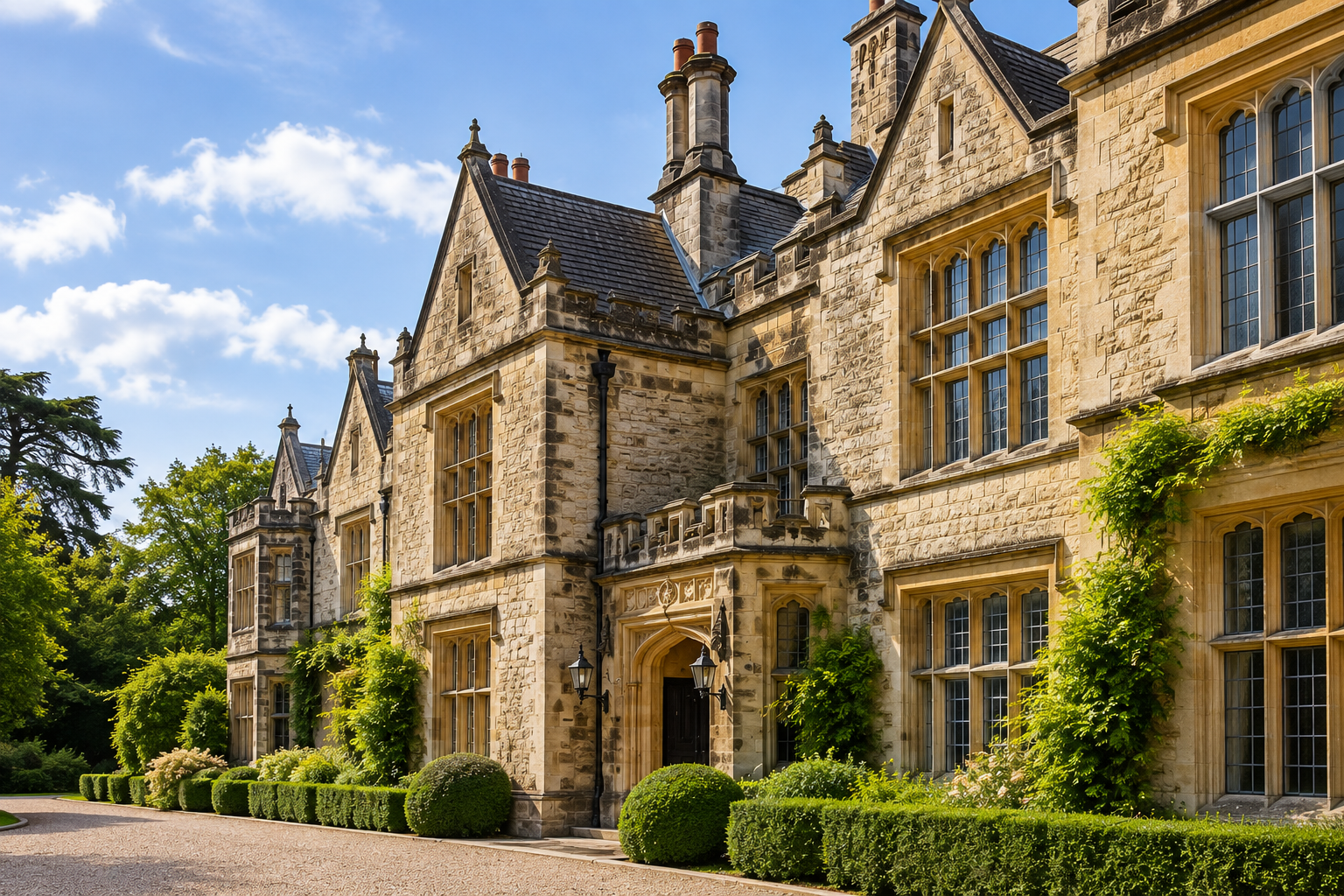

Commercial Paint Removal for Contractors, Property Managers & Building Owners

Larger paint-removal projects require careful planning before work begins.
The size of the elevation, number and type of coatings, masonry condition, access requirements and surrounding property all affect how the work should be approached.
We undertake commercial exterior paint removal and masonry paint stripping for property owners, contractors, developers, landlords and property managers, working across brick, stone, render and other suitable exterior masonry.
Large elevations and heavily layered coatings may require a combination of steam cleaning, specialist coating removers and controlled manual work over multiple stages.
Where scaffolding, MEWP access or other access equipment is required, this can be considered as part of the project assessment.
Suitable for:
🟤 Commercial buildings and premises
🟤 Contractors and refurbishment projects
🟤 Councils and public spaces
🟤 Property and facilities management
🟤 Schools and community facilities
🟤 Landlords and managing agents
🟤 Period and heritage properties
🟤 Larger walls, elevations and external areas
Need paint removed from a larger property? Send us photographs and the site postcode for an initial assessment.
💬 Prefer WhatsApp? Send photos here →
SPECIALIST PAINT STRIPPING METHODS
Our Exterior Paint Removal Methods
There is no single method suitable for every paint-removal project. The correct approach depends on the coating, the substrate, how strongly the paint is bonded and the condition of the masonry underneath. We select the method to suit the building rather than forcing every surface through the same process.

DOFF Steam Paint Removal
DOFF uses high-temperature water at controlled pressure to soften and lift suitable coatings while avoiding the brute force associated with conventional high-pressure blasting.
This is particularly useful where the masonry surface needs to be treated carefully.
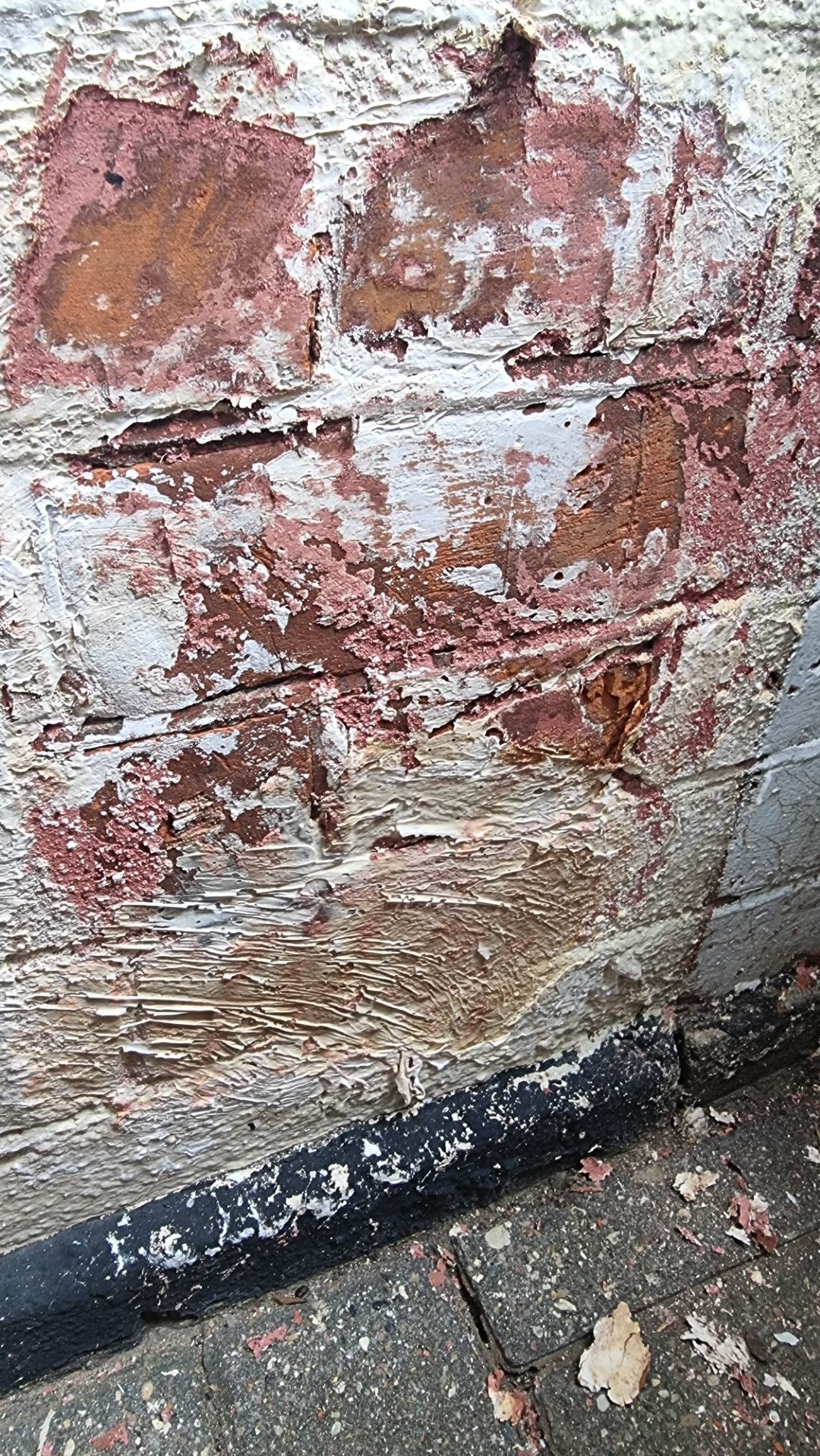
Professional Paint & Coating Removers
Thick, flexible or strongly bonded masonry paints often need to be softened chemically before they can be removed efficiently.
The product is selected for the coating and substrate rather than assuming one stripper will work on every wall.
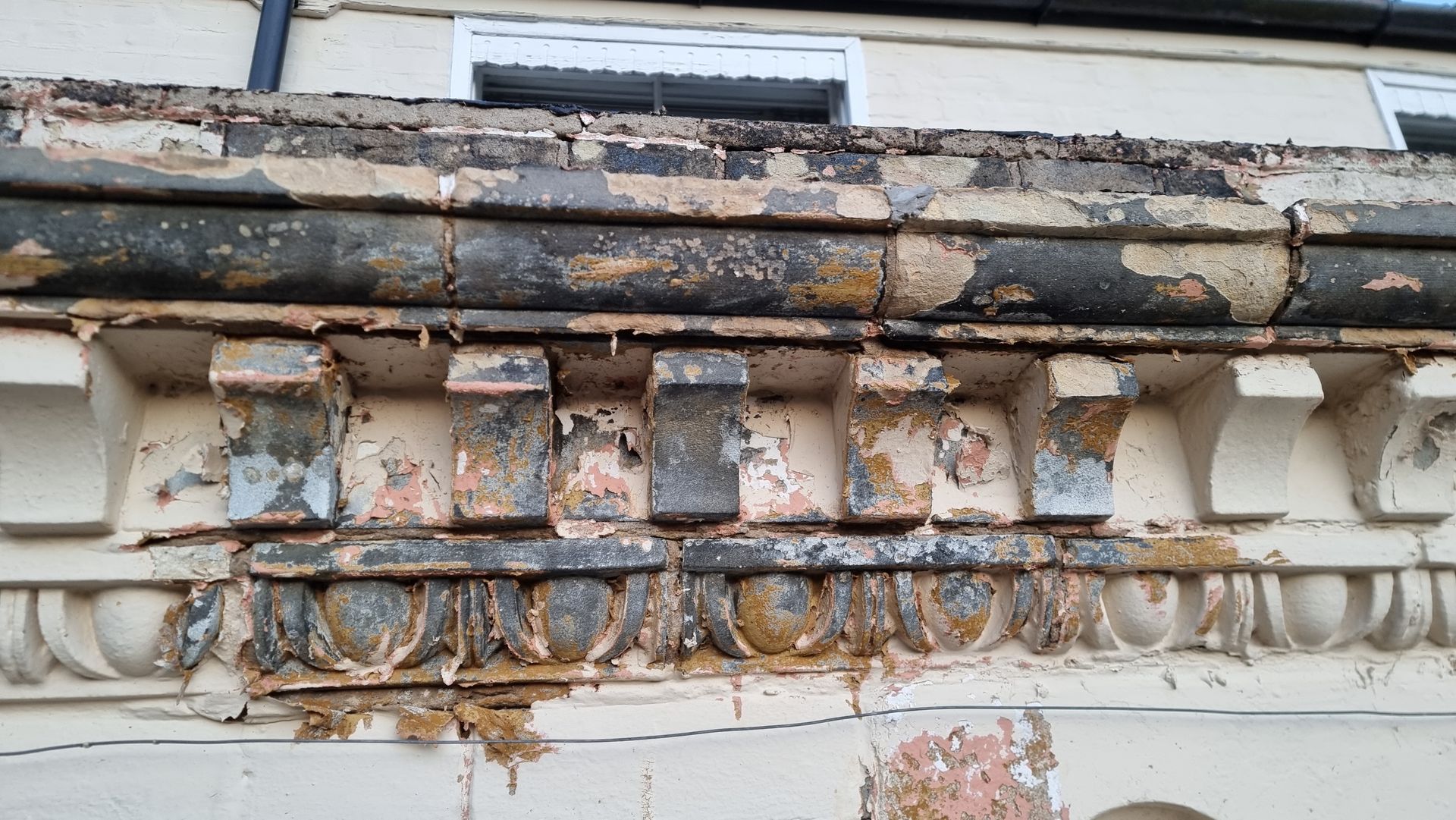
Controlled Manual & Mechanical Removal
Edges, reveals, architectural details and unusual coatings can require slower manual or mechanical work where steam and chemistry alone cannot provide sufficient control.
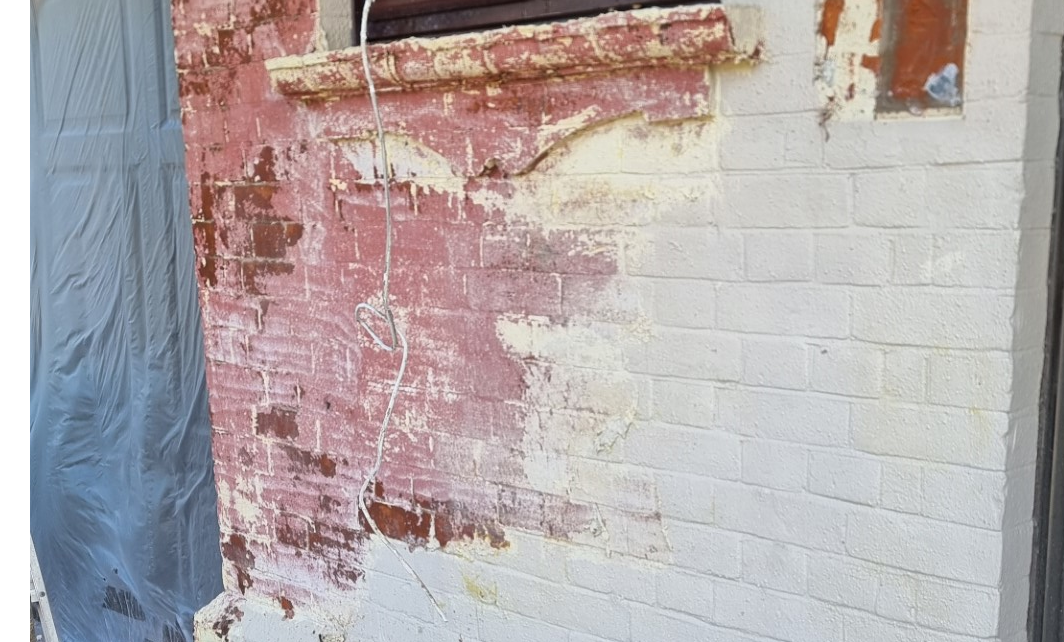
Multi-Stage Paint Removal
Some coatings simply do not come off in one pass.
Multiple layers, very thick paint or resistant textured coatings can require several treatment and removal cycles, with the surface reassessed between stages.

Need a Brick or Masonry Paint Removal Quote?
To give you an accurate quote, please send us:
✔
Clear photos of the painted surface
✔ A wider photo showing the elevation
✔ Your postcode
✔ Approximate size of the painted area
✔ Any information you have about the existing coating
✔ The type of surface if known — brick, stone or render
✔ Access information - e.g. height, scaffolding, restricted areas.
The more information you provide, the faster we can assess the project and give you an indication of cost.
💬 Prefer WhatsApp? Send photos here →
PAINT REMOVAL PRICING
What Affects the Cost of Brick Paint Removal?
Paint removal is considerably more variable than ordinary brick cleaning because the amount of work cannot always be judged from the visible outer coat.
A relatively thin coating may release quickly, while heavily bonded paint, multiple layers or unusual finishes can require repeated treatment over the same area.
The condition of the masonry also matters. Fragile brickwork, architectural details, difficult access and areas requiring slower manual work can all increase the time involved.
For that reason, we assess every paint-removal project individually rather than applying a generic square-metre price.
What affects the price?
Size of the painted area
Larger elevations naturally require more time, materials and preparation.
Type and number of coatings
Several layers or particularly resistant paints can require repeated treatment.
Condition of the masonry
Older, softer or damaged surfaces often need a slower and more controlled approach.
Detail and access
Architectural features, working height, scaffolding or restricted access can all affect the scope of the job.
How the coating responds
Some coatings release readily. Others may require several treatment and removal cycles.
Every paint-removal project is assessed individually.
Photographs normally give us a useful starting point, but difficult, heavily layered or unusual coatings may require a test area before the full scope can be established.
Why Property Owners Choose Steward & Stone

Experience with Difficult Coatings
Real experience dealing with heavily layered, strongly bonded and unusually resistant masonry coatings — including projects requiring repeated treatment over an entire elevation.

Stonehealth Approved DOFF Contractor
Professionally trained in the controlled use of the DOFF superheated steam cleaning system for sensitive exterior surfaces.

Method Chosen for the Actual Substrate
We do not assume one chemical, pressure setting or machine will work everywhere. The method is chosen according to the masonry and the coating in front of us.

Fully Insured & Real Project Results
Real before-and-after paint-removal work across residential, commercial and period properties.